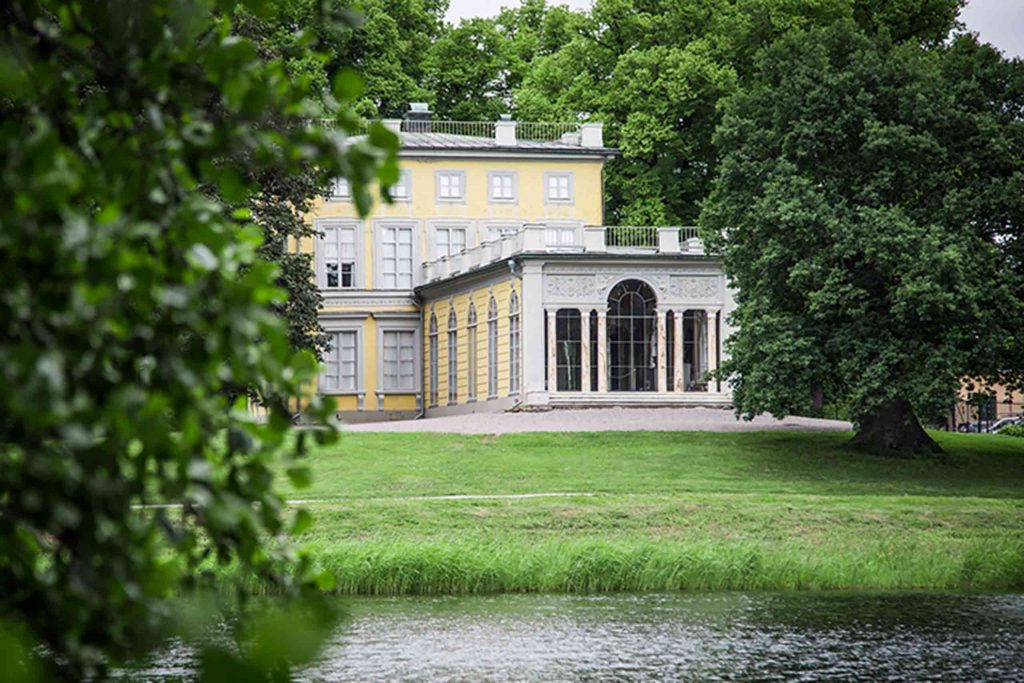

Step into history and experience a highlight of Swedish art. Gustav III’s Pavilion in Haga Park is one of the leading works from the late 18th century.
From a European perspective Gustav III’s Pavilion at Haga Park is one of the finest examples of a palace building from the late 1700s. Its magnificent interior adds to the building’s importance.
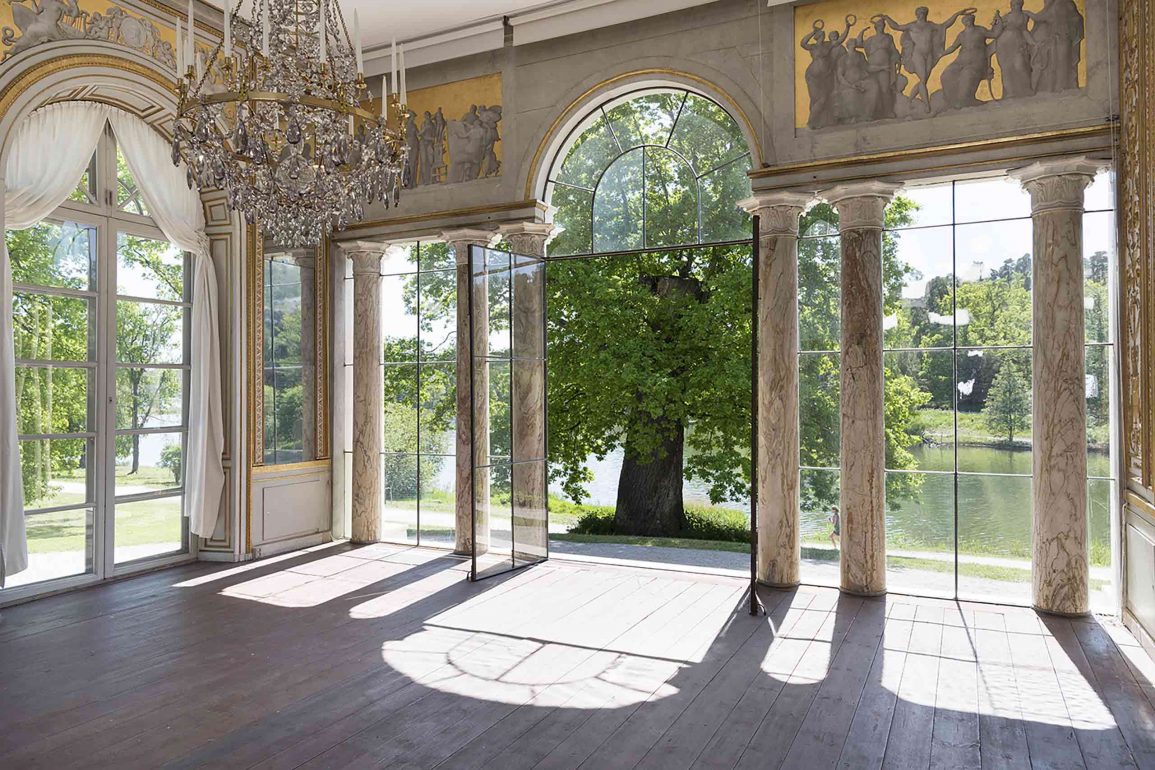
An interest in Roman antiquity grew during the 1780s on the continent following the famous excavation of Pompeii and Herculaneum. Both the fashion-conscious monarch Gustav III and interior designer Louis Masreliez had visited the excavations, and the state room in the pavilions parade suite was therefore decorated in Pompeian style.
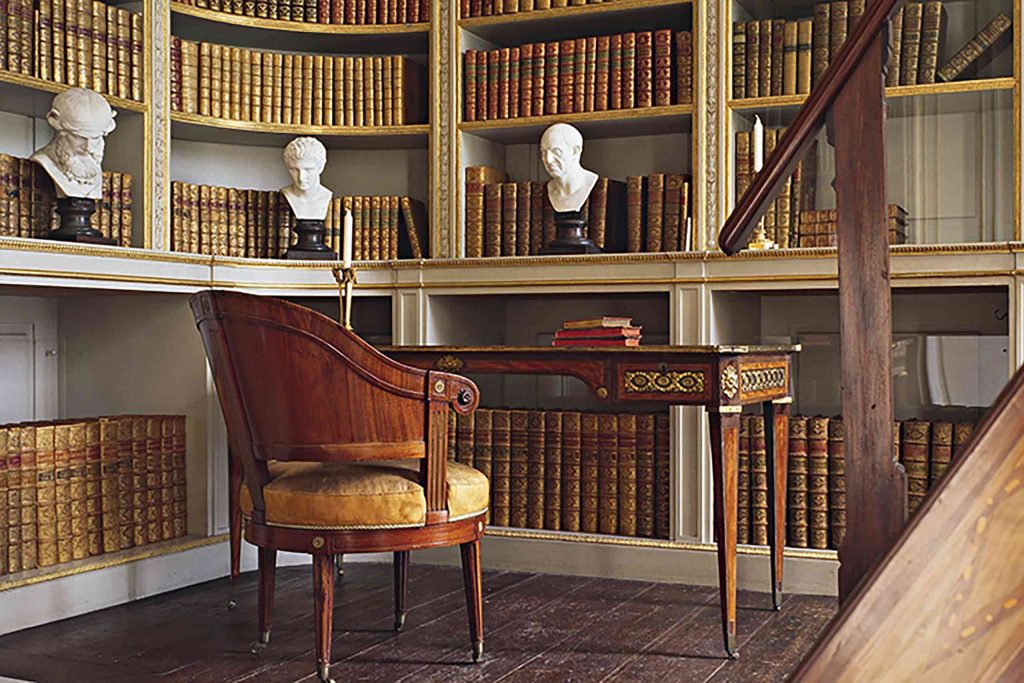
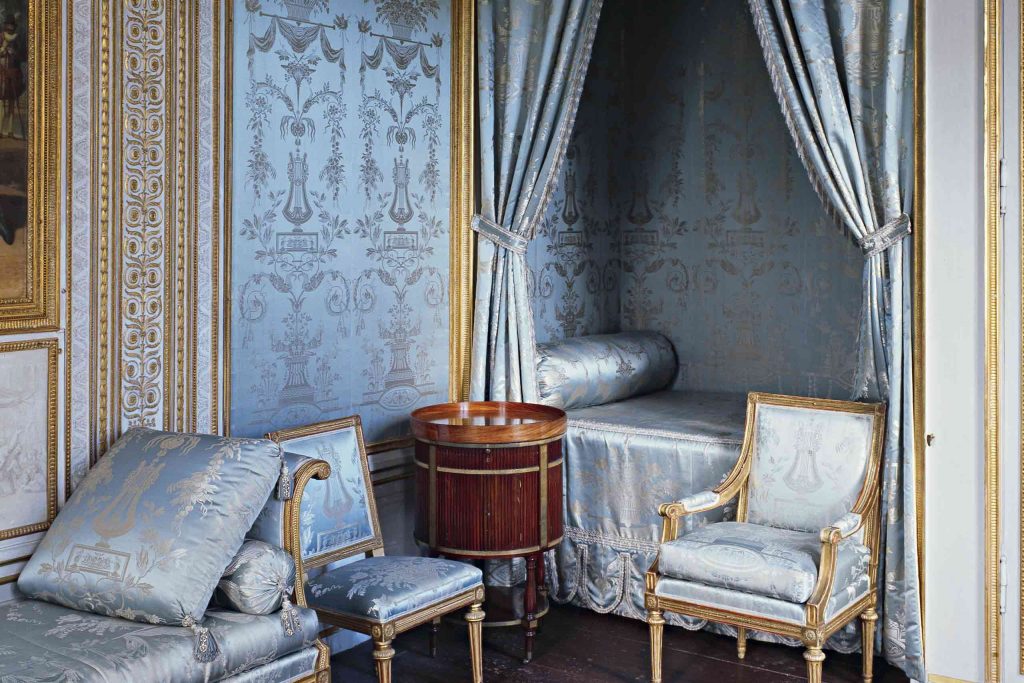
The palace’s rooms are of outstandingly high quality of Swedish neo-classical interior design. Not only are the permanent fittings and decorations very well preserved, but also a great deal of the pavilion’s original furniture is still in situ.
Haga Park, part of Stockholm’s National City Park, is perhaps Sweden’s foremost example of an English landscape park, initiated by King Gustav III.
www.royalpalaces.se | Instagram: @kungligaslotten | Find on Google Maps